1. Project Description
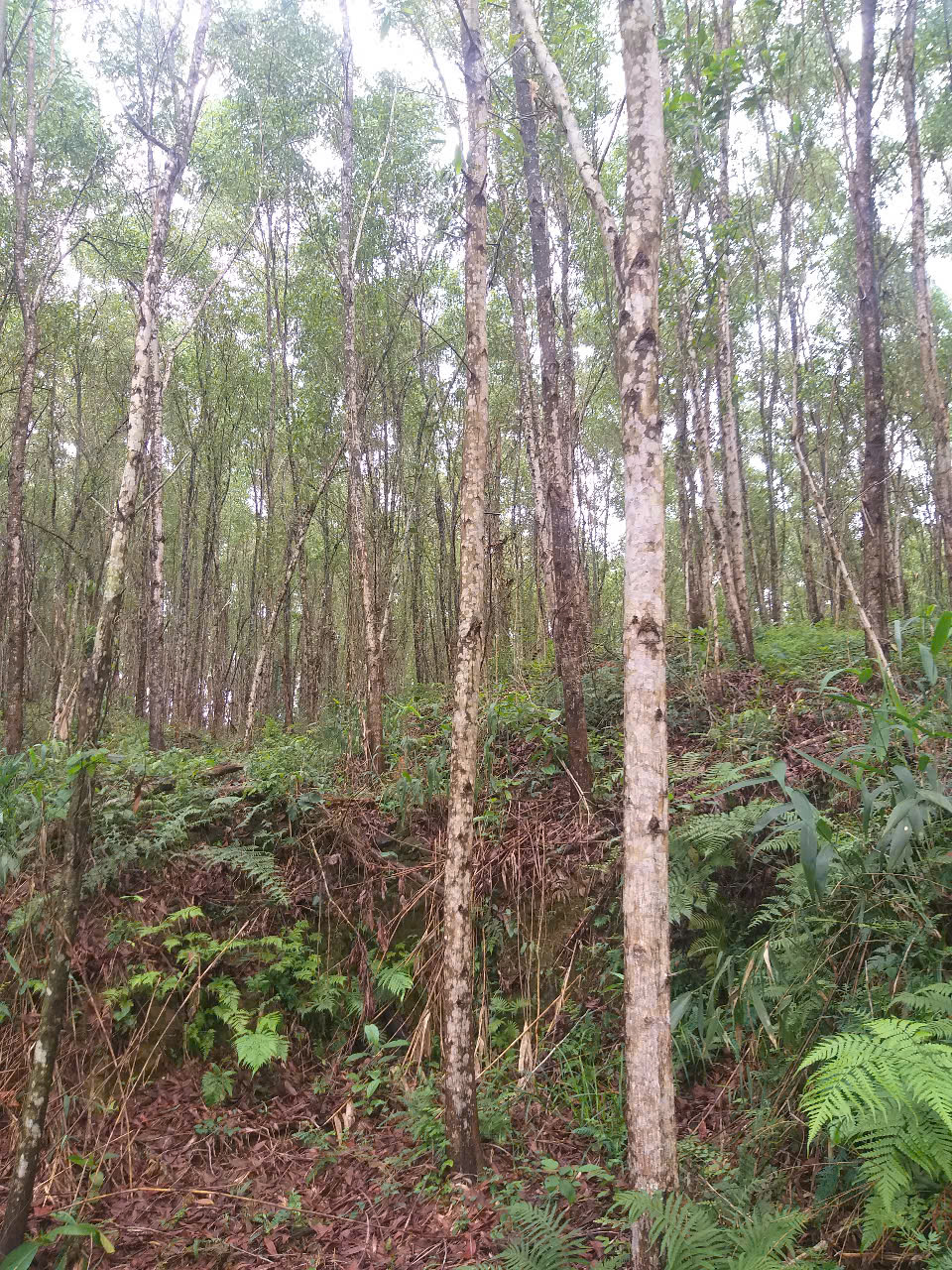
- This Project aims to transform the forestry landscape in Quang Nam, Vietnam, by promoting sustainable forestry and agroforestry models as an alternative to short-rotation Acacia plantations. The initiative targets the transition of approx. 500 hectares from monoculture Acacia used for biomass and woodchip production to long-rotation Acacia saw timber (87.5%) and agroforestry systems with native tree species (12.5%). This approach will deliver significant environmental, economic, and social benefits, aligning with Vietnam's national forestry and climate policies and IKEA’s sustainable sourcing objectives, positioning positions IKEA as a leader in climate-smart forestry, contributing to the company’s global environmental goals and Vietnam’s national priorities for sustainable land use and forestry.
2. Project Duration: 7 years
- The Project is structured over two phases of 7 years total, with Phase I spanning five years working on approx. 500 hectares.
- After the first two years, during which lessons learned will be evaluated, and the approach for upscaling to an additional approx. 2,000 hectares will be tailored to the lessons from Phase I.
3. Objectives and Key Impacts
- Carbon Sequestration and Climate Mitigation: The Project will significantly increase carbon storage in forest biomass, soil and wood products contributing to climate change mitigation efforts.
- Economic Development for Forest Smallholders: By shifting to long-rotation saw timber and agroforestry models, the Project will provide more stable and higher incomes for local smallholders, reducing their reliance on low-margin woodchip production.
- Biodiversity Conservation: Including native tree species within the agroforestry systems will boost biodiversity and strengthen ecosystem resilience, addressing the environmental risks associated with monocultures.
4. Key Deliverables
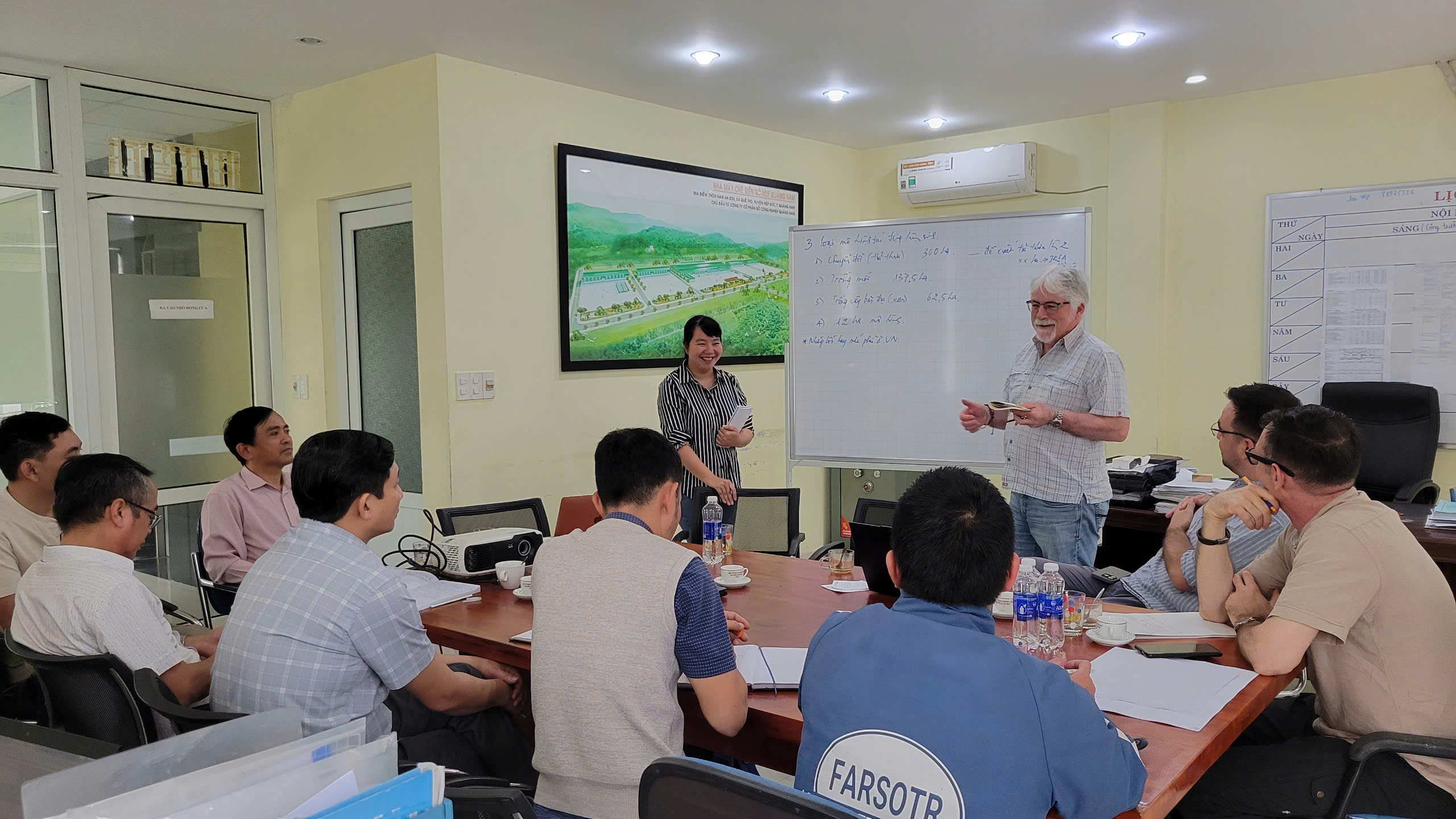
- Plantation transition to more sustainable & climate-friendly management on approx. 500 hectares:
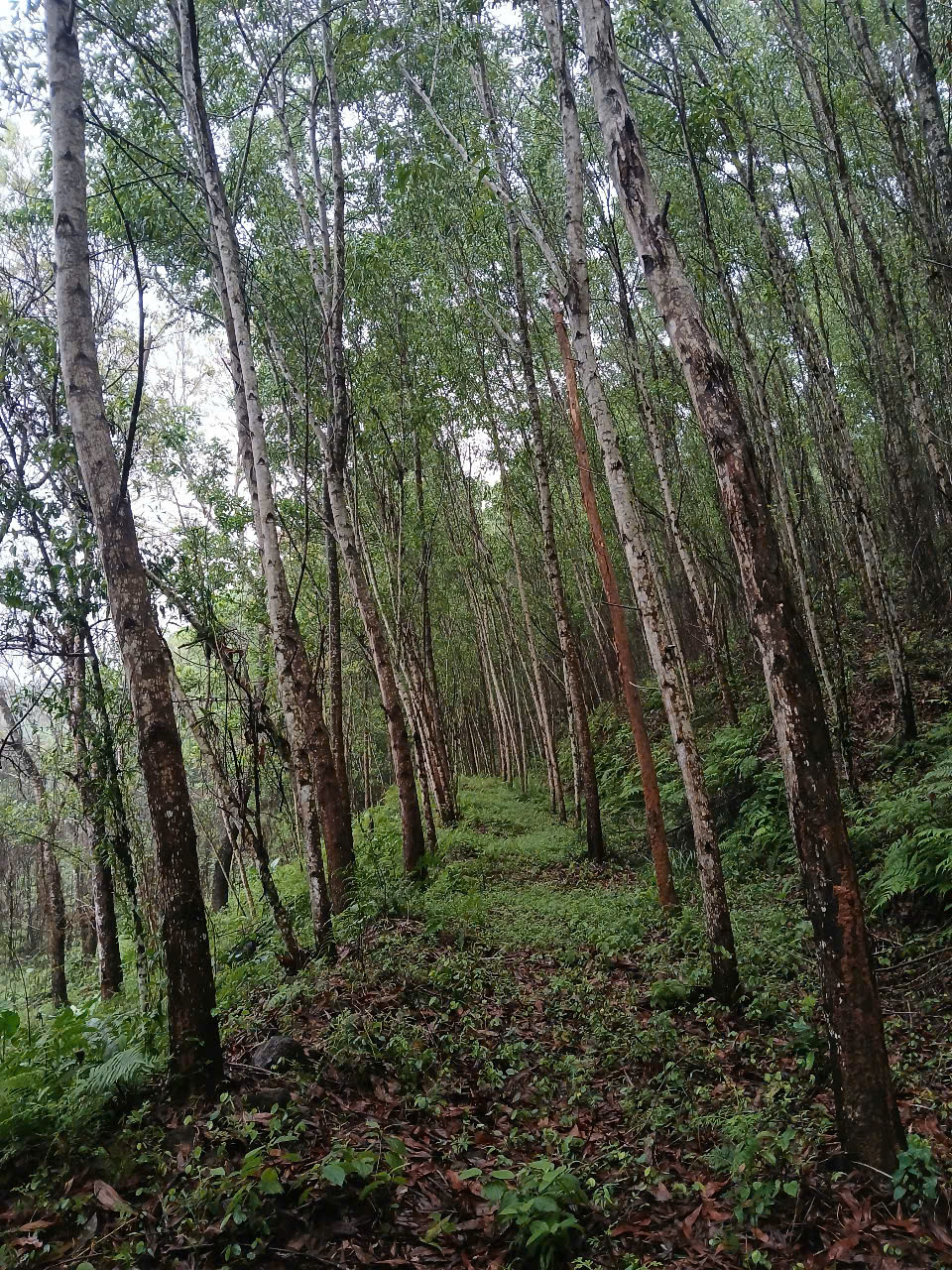
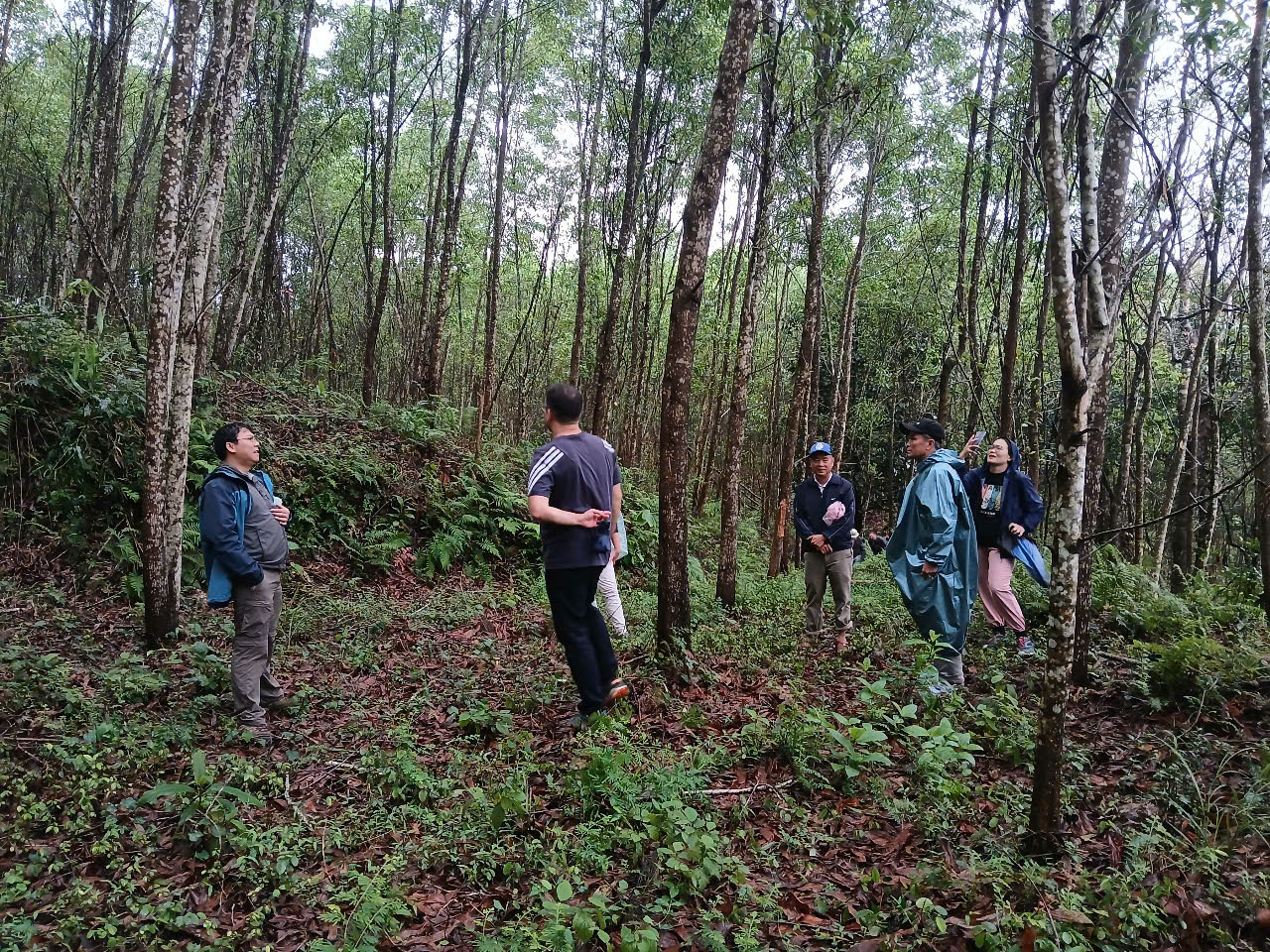
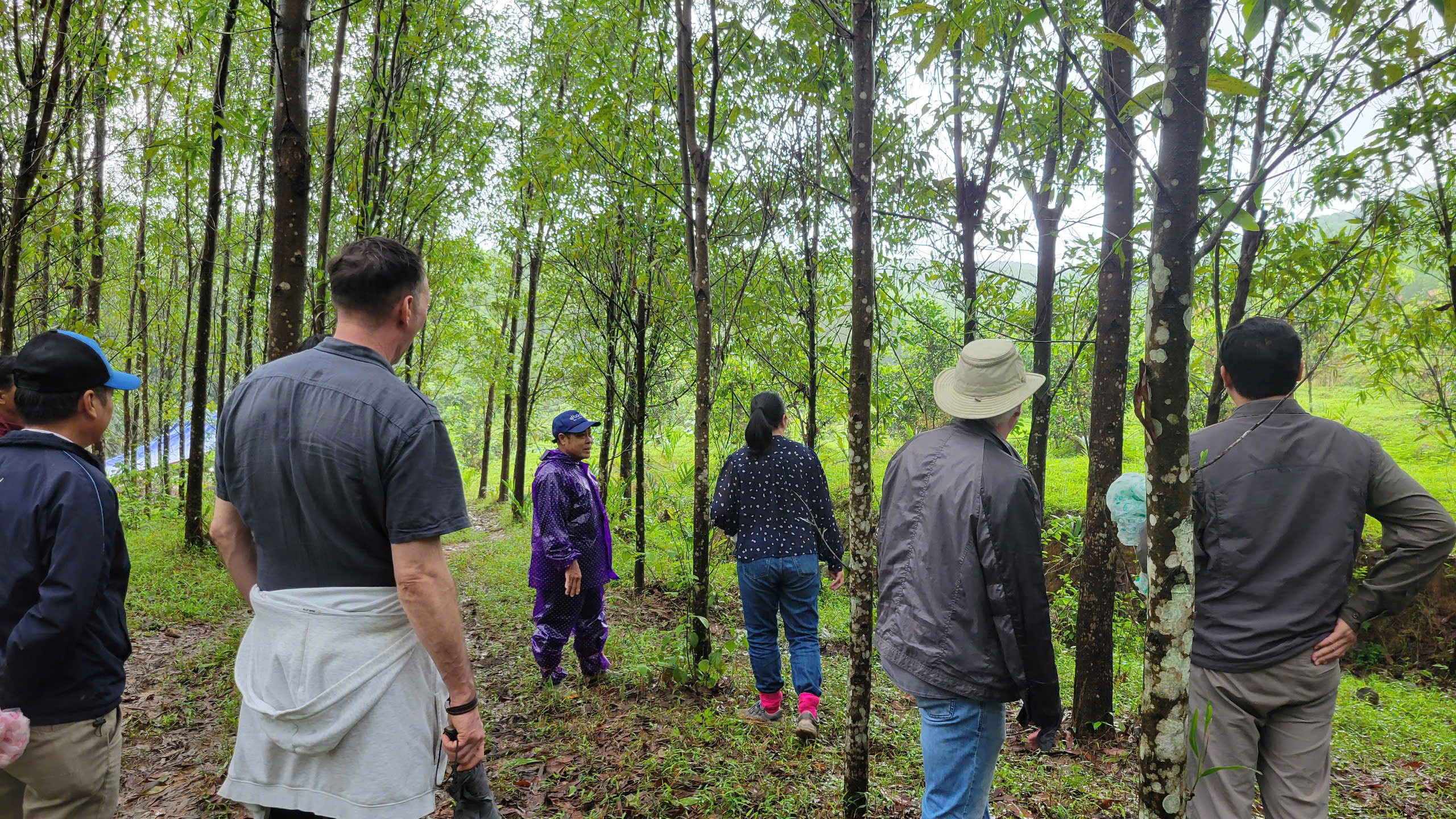
- On 87.5%: Conversion of 437.5 hectares of short-rotation Acacia to long-rotation saw timber (10 years); establishment of new acacia planting for 9-year-sawtimber plantation with high quality seedlings/newly improved planting materials (the expected area for the new planting is 137.5 ha); and
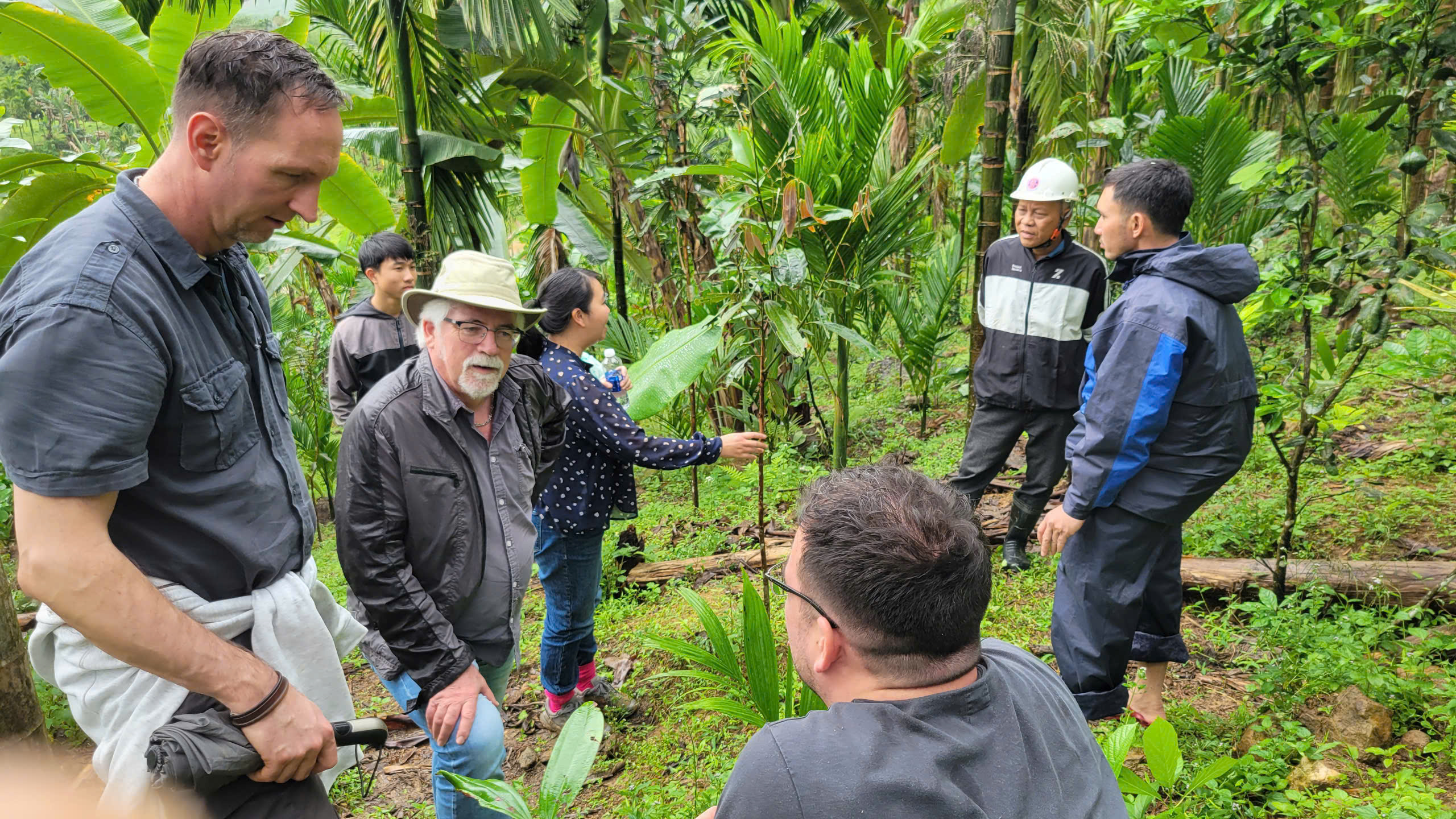
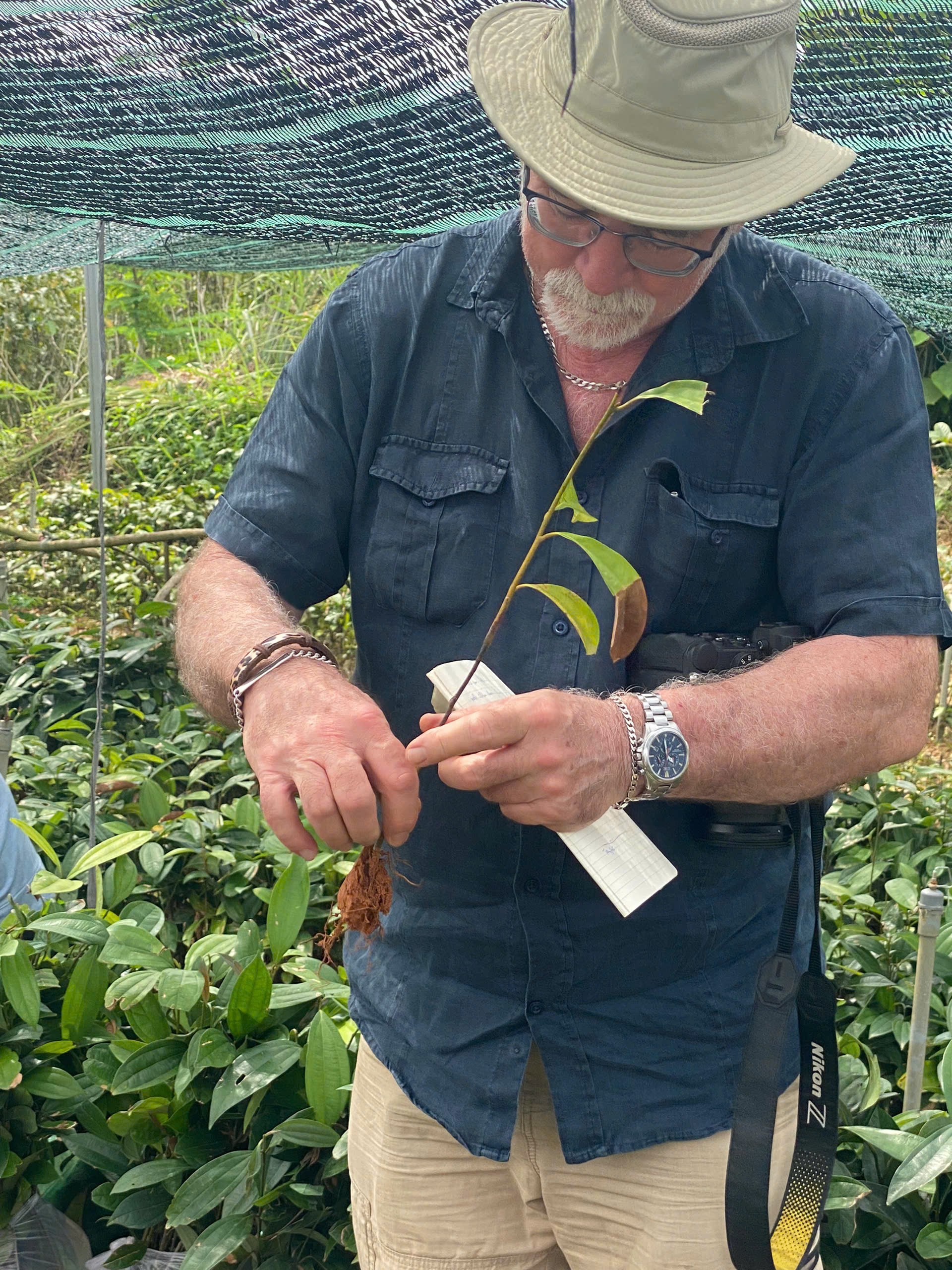
- On 12.5%: Introduction of native tree species in sawlog plantations on 62.5 hectares towards high-value timber, multipurpose trees & agroforestry systems with native species.
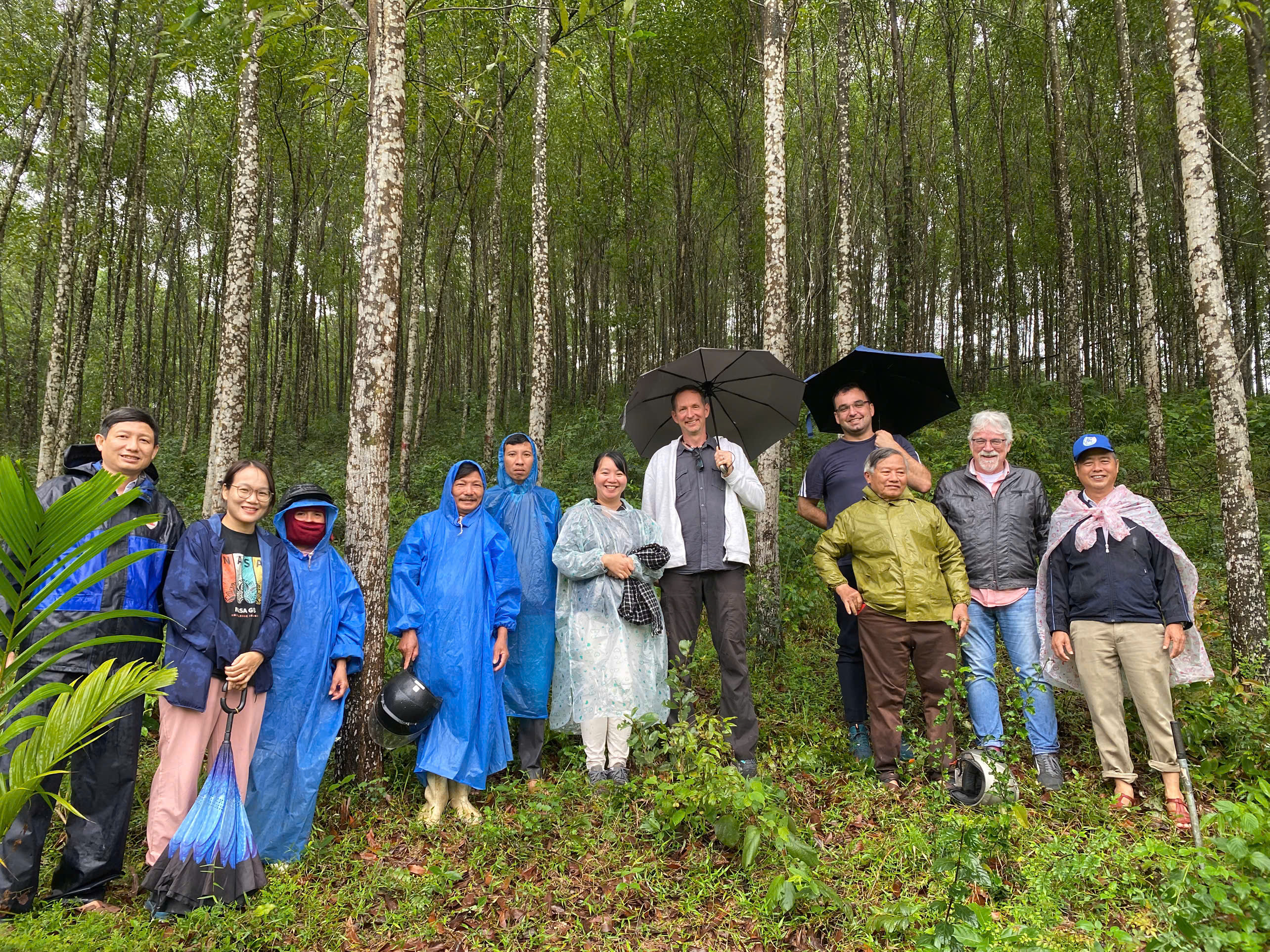
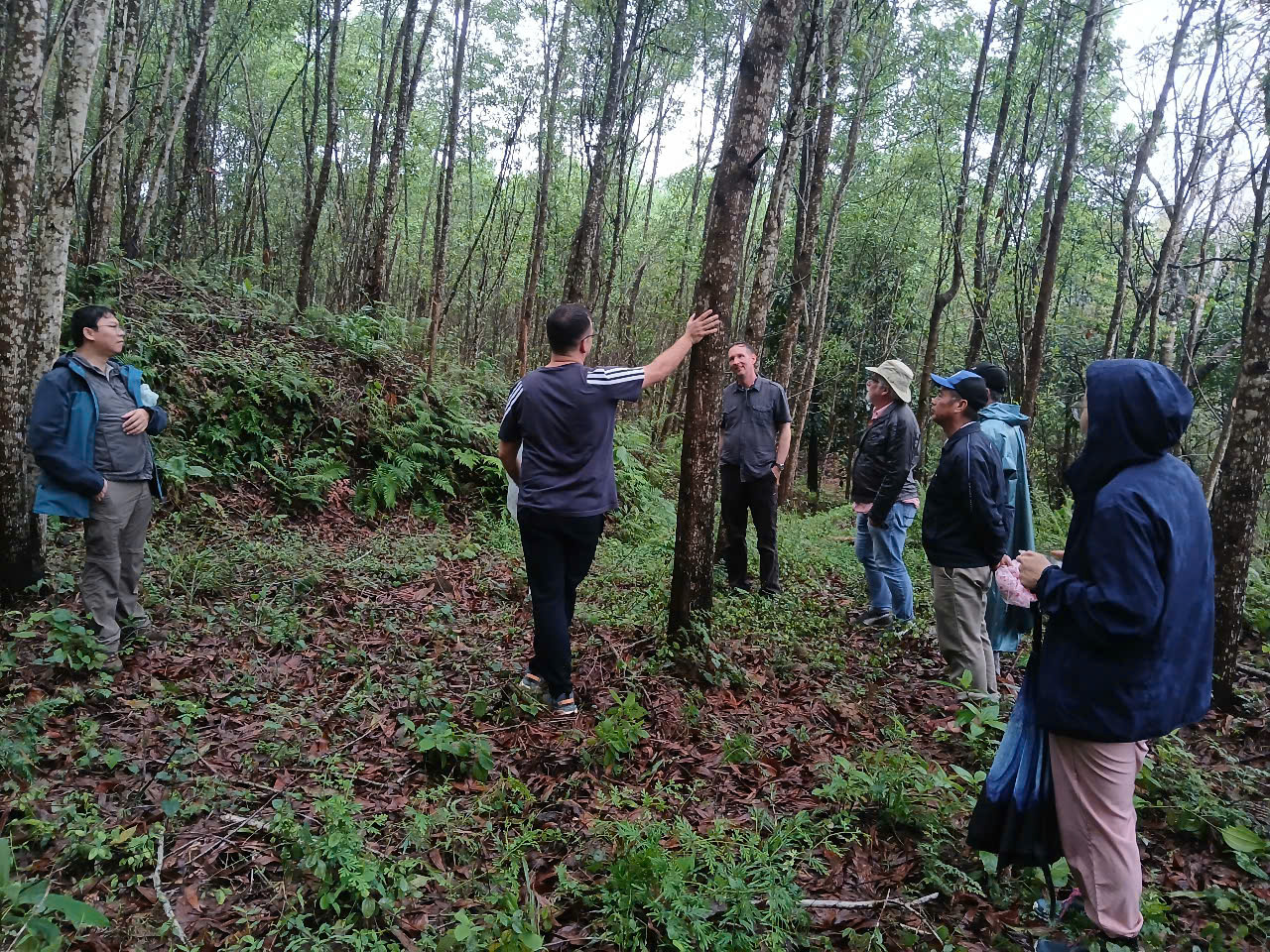
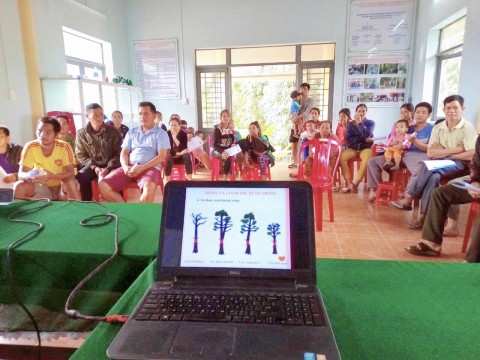
- Capacity building: Training approximately 100 local smallholders and officials to ensure sustainable management practices in the transition towards Acacia Sawlog plantations.
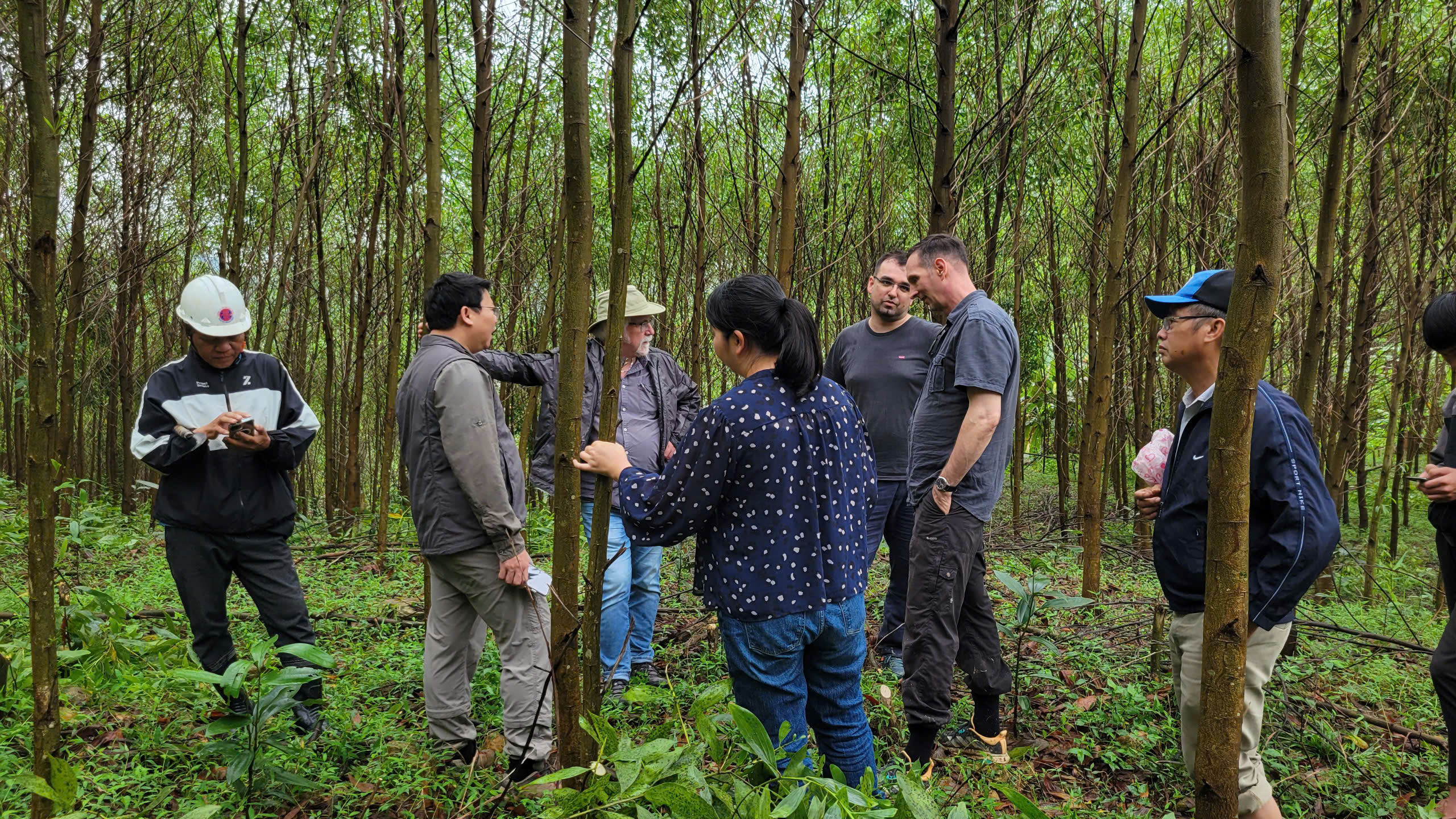
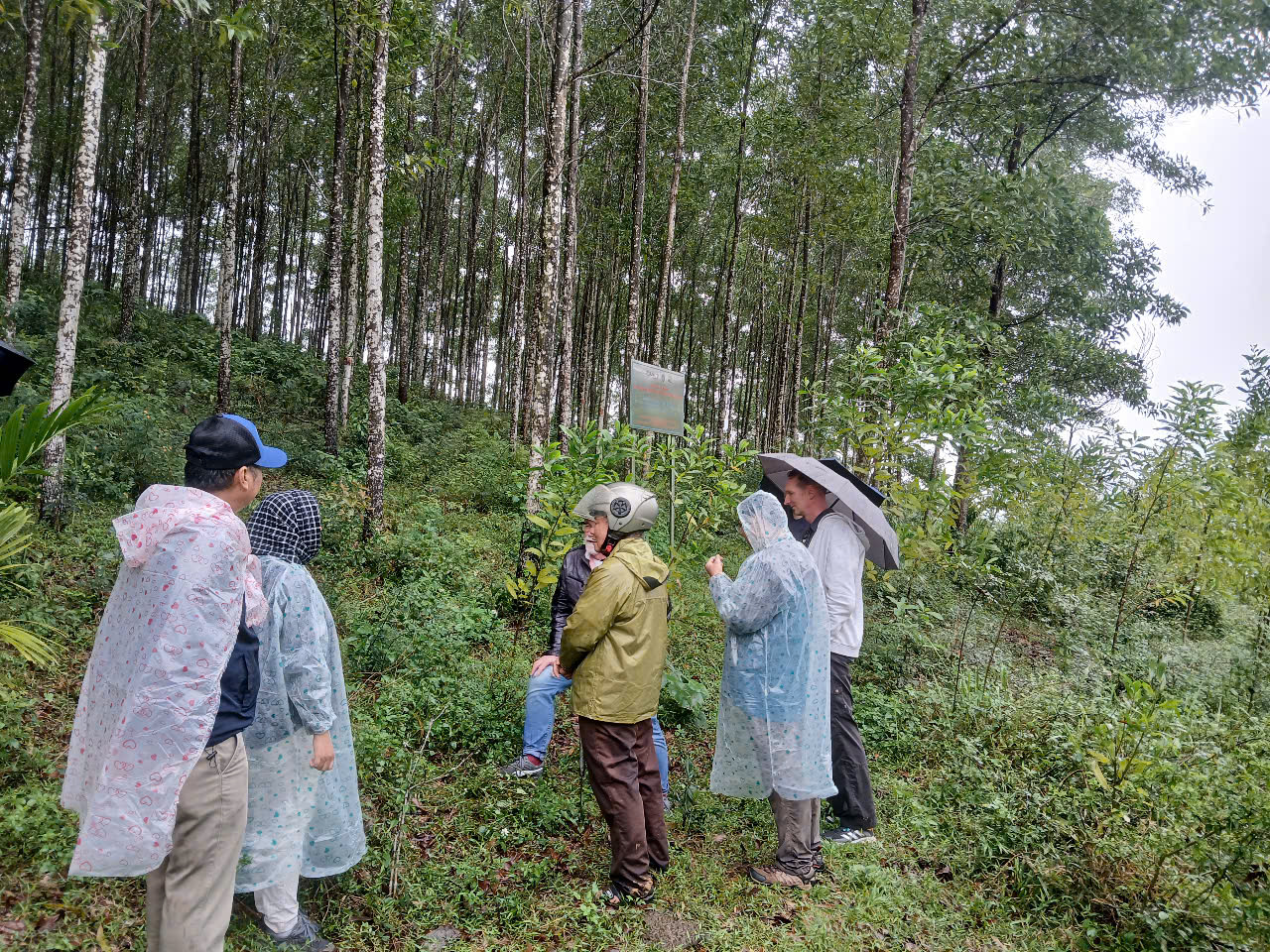
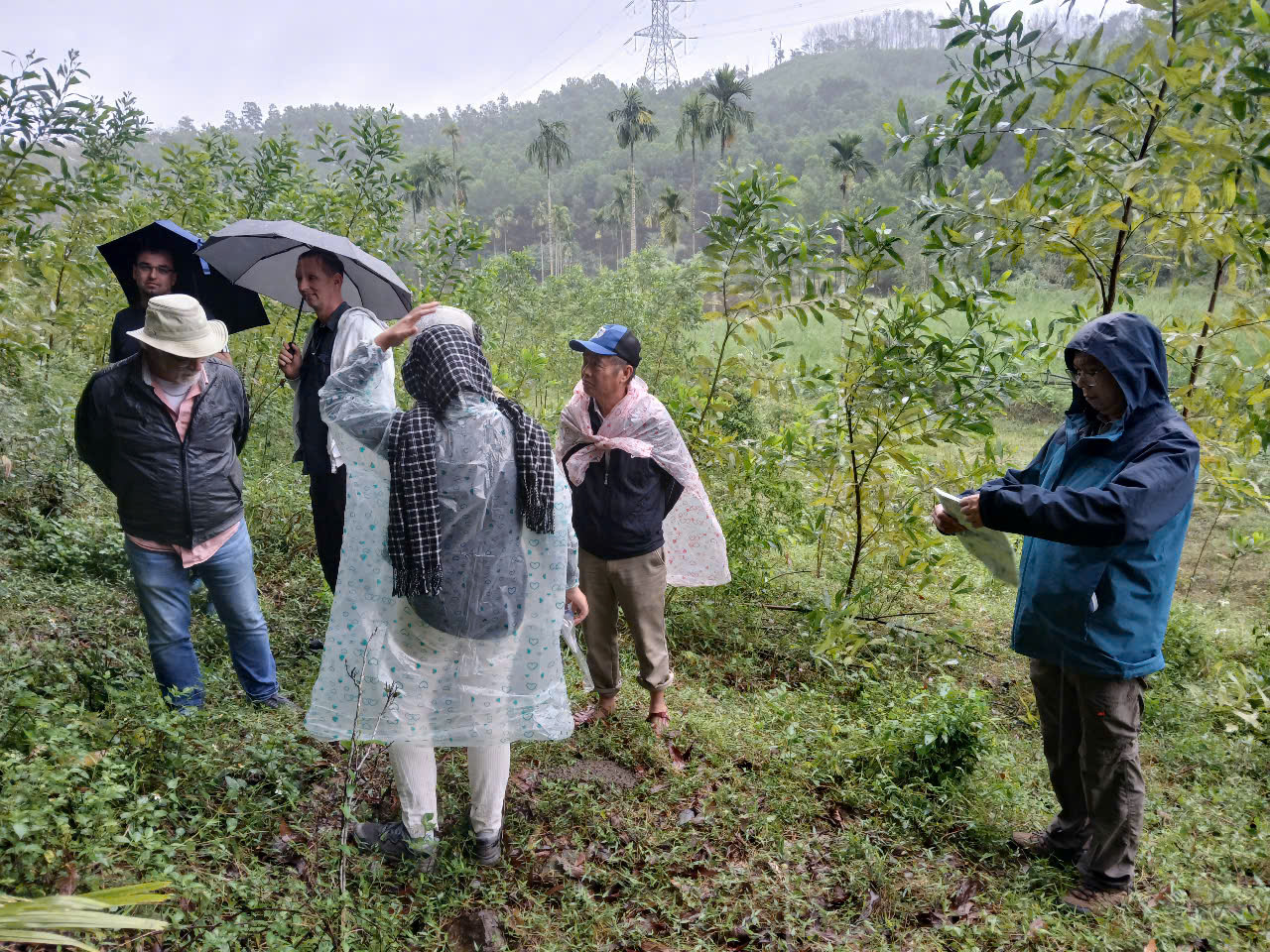
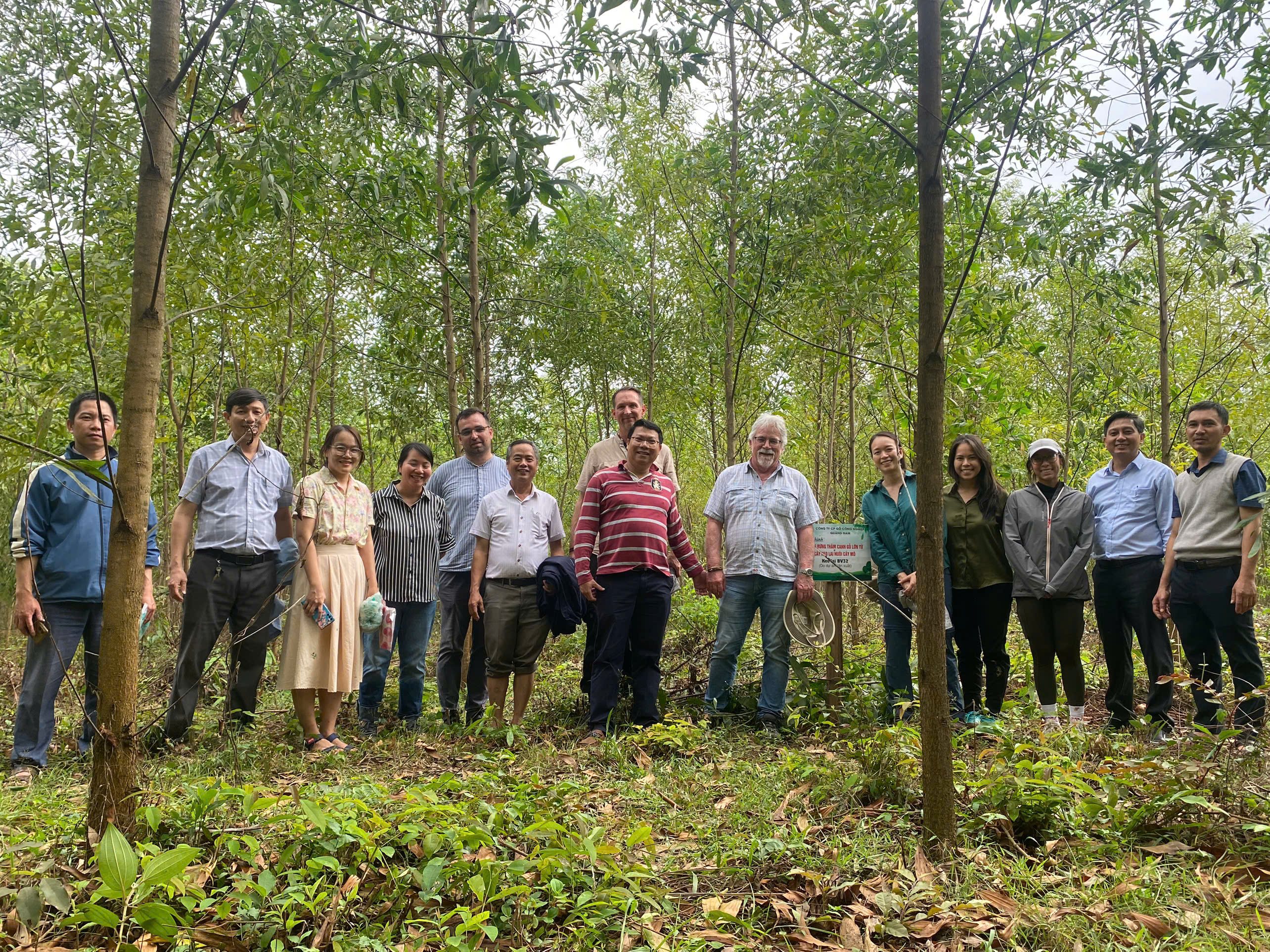
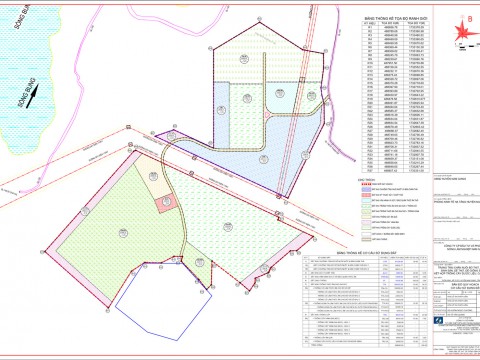
- Demonstration plot (12 hectares with differently managed parcels) for showcasing, documenting and comparing different management approaches in light of the intended plantation transition.
- Systematic data and database establishment from MEL (monitoring, evaluation and learning) on plantation/planting growth, SOC, vegetation species diversity dynamics and local livelihoods.


Gallery