

Nghe An has over 170,000 hectares of production forests (raw acacia) exploited and newly planted. Because many places do not have forestry roads, planting, harvesting and transporting wood is very difficult, reducing the economic efficiency of forest growers.
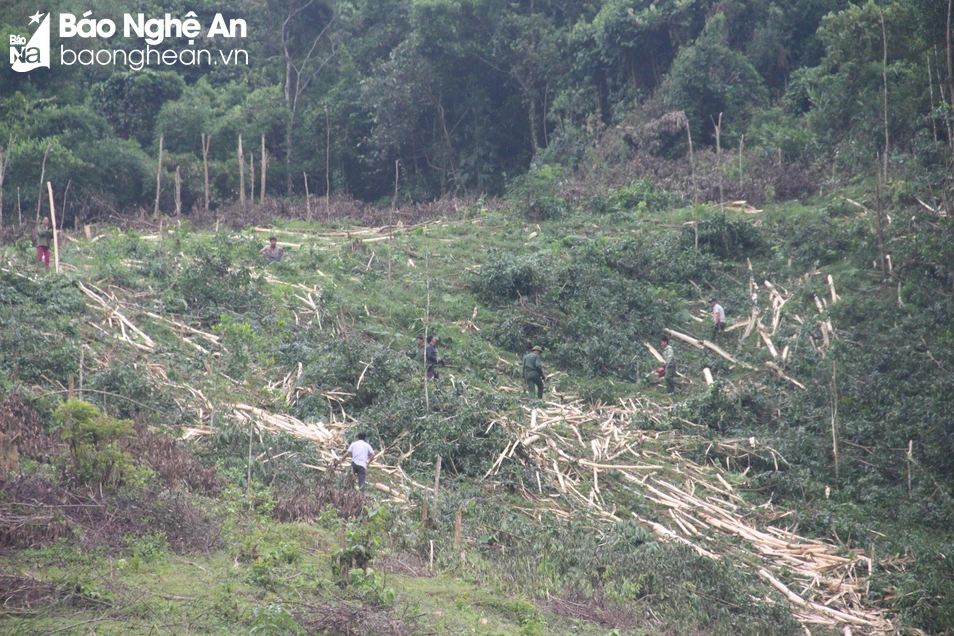
Because there are no forestry roads, people have to carry loads when exploiting acacia in Tien Thanh
commune,Yen Thanh district.
These days, in Yen Thanh district, many places are exploiting wood from planted forests, but because there are no forestry roads, exploiting and transporting raw acacia is very difficult. Mr. Tran Van Binh in Tien Thanh commune shared: At this time, acacia has a good price, but the cost of transporting, hiring people to load and "boost" goods to the main road is too high, calculating the profit from growing acacia is very low. not worthy of the real value that forests bring. On the contrary, if there are forestry roads and trucks coming to the place to purchase, acacia growers will have high profits. Mr. Phan Van Vu, Chairman of Tien Thanh Commune People's Committee also said: The commune has nearly 1,600 hectares of raw acacia (large). Yen Thanh district), currently there are only about 300 hectares of convenient raw material forests, following provincial road 538. The remaining areas do not have forestry roads, so transporting seedlings and fertilizers for afforestation as well as logging People's exploitation is extremely difficult. During meetings with voters, people have proposed building forestry roads to exploit the economic potential of acacia trees, but the current difficulty is the limited commune budget. Some people have joined together to temporarily open small-scale forestry roads, enough for small vehicles to "drive" to the main road.
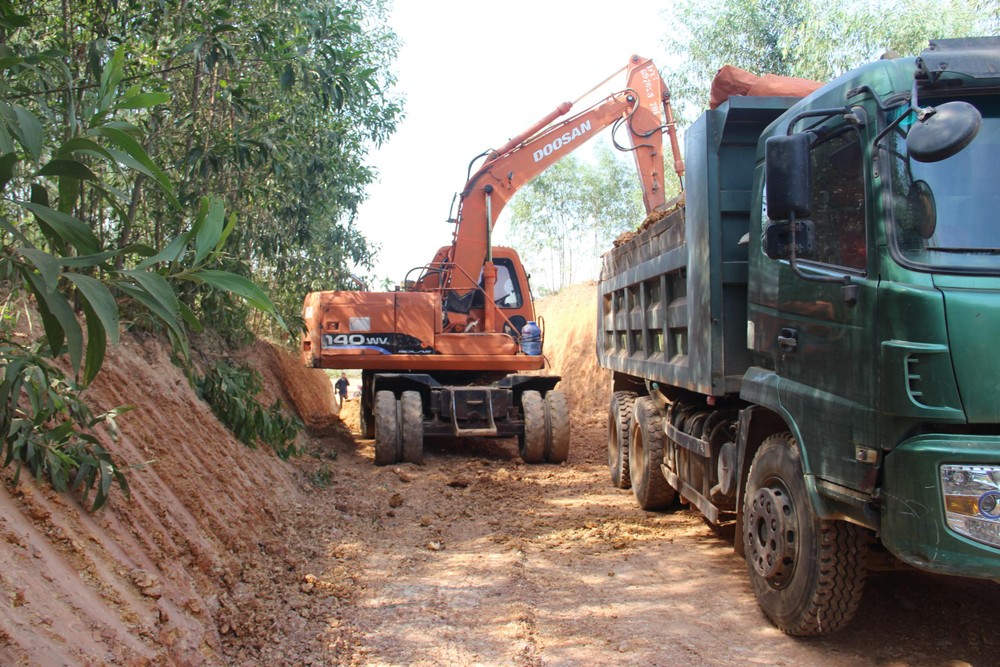
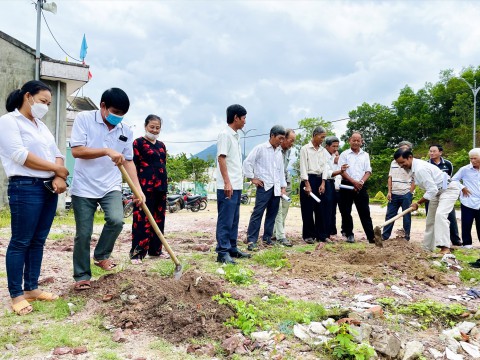
Open a forestry road in Bao Thanh commune, Yen Thanh district to serve acacia planting and exploitation. Photo: Van Truong.
Mr. Le Van Hong - Head of the Agriculture Department of Yen Thanh district added: The whole district has over 12,500 hectares of acacia raw materials, annually harvesting over 3,000 hectares of acacia. Up to this point, the district only has over 50 km of main forestry roads, such as Khua road to Thinh Thanh, Quang Thanh, Kim Thanh communes, road 22 to Dong Thanh commune... The district is lacking forestry "branch" roads. industry with a total length of over 200 km, connecting from the acacia area to the main axes. The cost of exploitation and transportation is high, significantly affecting people's income and reinvestment in afforestation. To ensure that Yen Thanh district is in dire need of the State's attention in planning and building forestry roads for effective economic exploitation of forests. Also in the above situation, Thanh Chuong district is facing very difficulties in terms of roads. forestry road. In the raw forests in Hanh Lam commune, people have to carry seedlings and fertilizer up the hills to plant acacia. Ms. Nguyen Thi Binh in Hanh Lam commune said: Because there is no raw sugar, each time planting and exploiting acacia is very difficult, mainly having to use human strength to load and unload, which is both time-consuming and costly. Representative of Hanh Lam Commune People's Committee added: The whole commune has over 1,500 hectares of raw acacia, currently has over 3 km of degraded residential roads, carrying raw acacia from both Hanh Lam and Thanh Son communes. The rest have almost no silvicultural roads into the acacia raw material areas, mainly people still have to use human strength to carry the acacia out. Mr. Tran Phi Hung - Head of the District Agriculture Department said: Thanh Chuong has an area of acacia raw materials. Large with over 22,000 hectares, mainly concentrated in 14 communes along the Ho Chi Minh trail. The most difficult problem today is that most communes do not have forestry roads, so people mainly open their own roads to exploit acacia. Transporting glue is extremely difficult, leading to price pressure from private traders. At this time, only Song Hieu Agriculture and Forestry Company has built many forestry roads that can be used effectively. A representative of the above Company shared: There are over 5,000 hectares of raw forest, every year the Company invests funds to maintain and build over 100 km of forestry roads to facilitate the process of planting, caring for and exploiting. raw forest.
Thanks to the forestry roads going deep into the forests, the unit has planned over 2,000 hectares of large timber forests, trucks can come to the site to transport and purchase, achieving high economic value, on average reaching over 200 million. million VND/hectare of acacia. The difficulty with forestry roads is that they are temporary, so they are often damaged after the rainy season, so they must be maintained and repaired every year.According to a report from the Forest Protection Department, Nghe An currently only has over 200 km of forestry roads, most of which are degraded and damaged. Nghe An is planning a forestry development plan integrated into the province's planning, including planning to open key forestry roads of over 450 km to meet development needs. Road standards are 4.5-5 meters wide, with gravel covering sections serving people's livelihoods. "Herringbone" routes connecting exploited forests to main roads can mobilize social investment. Mr. Nguyen Khac Hai - Head of Forest Use and Development Department (Forest Protection Department) added: The use of Use forestry roads, convenient for transporting fertilizers, plant seeds, transporting wood and non-wood forest products during production; Use forestry roads in combination as fire prevention runways and forest protection patrol roads.
In fact, in some districts, people use their own capital to jointly open forestry roads into the mining area. Mainly the roads are simply designed and constructed, leveled (with compensation for excavation - embankment differences), and reinforced with natural terrain (or existing trails). Before people need to build their own roads, the Forest Ranger Department receives documents, coordinates with specialized departments of the district to appraise, inspect, and guide the preparation of design documents and supervise the construction of forestry roads. , check land use rights certificates and land use planning of forest owners.The opening of forestry roads has important implications for the development of the forest economy, reducing production investment costs, increasing the economic value of planted forests, encouraging the development of the afforestation movement, contributing to improving and enhancing the quality of forestry. high quality of life for people. In the long term, Nghe An needs to integrate capital sources with people's strength to build forestry roads, creating favorable conditions for forest growers to develop sustainably.


Gallery